








The Cost of WhatsApp Warfare to Party Unity
The Issue: What is happening?
Political organisations need debate. Members will disagree. Leaders will be challenged. Aspirants will compete. Branches and executives will sometimes hold different views.

None of these things is unusual. In fact, disagreement is part of democracy.
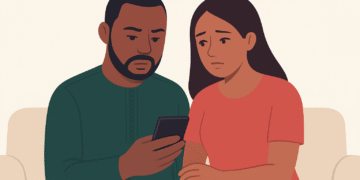
The real danger begins when political disagreement moves away from facts, rules and ideas and becomes personal warfare. When WhatsApp platforms become dominated by insults, accusations, mockery and public humiliation, the organisation itself eventually pays the price.
Across political organisations, social media and WhatsApp platforms can quickly turn an internal disagreement into a public spectacle. A message written in anger can be forwarded within seconds. A personal accusation can spread faster than a correction. Before long, members who should be discussing the future of the organisation are instead taking sides in conflicts between individuals.
Why It Matters
The NDC UK & Ireland Chapter has people from different professions, generations, backgrounds and political experiences. That diversity should be a strength.
However, constant internal warfare can have serious consequences.
It discourages ordinary members from participating. It reduces trust between branches and leadership. It creates camps and factions. It also gives the impression that personal conflicts are more important than the collective mission of the party.
Most importantly, young people watching these exchanges may begin to ask a simple question:
If this is what political participation looks like, why should we become involved?
That question should concern every serious member of the movement.
The Bigger Picture
The NDC in the diaspora has demonstrated its ability to mobilise people, resources, ideas and political energy. But winning political battles is only one part of building a strong organisation.
The greater challenge is building institutions that can survive disagreement.
A strong Chapter should be able to accommodate competing views without becoming permanently divided. Members should be able to challenge decisions without being treated as enemies. Leaders should be able to defend decisions without resorting to personal attacks.
Unity does not mean everyone must agree.
Unity means members can disagree without destroying one another.
What Can We Do?
1. Return to facts and rules.
Where disagreements arise, members should refer to constitutions, guidelines, procedures and evidence rather than rumours and personalities.
2. Separate disagreement from disrespect.
Members can strongly challenge decisions without insulting fellow comrades or questioning their humanity.
3. Create credible mechanisms for resolving disputes.
Internal disagreements should have clear channels for investigation, discussion and resolution before they become prolonged battles on public platforms.
Closing Thought
A movement that cannot manage disagreement will eventually spend more energy fighting itself than fighting for the people it claims to serve.

Christian Aboagye
Social Worker | Mental Health Practitioner | Community Advocate | NDC Manchester Branch Executive Member