









The Issue
No political organisation can grow without disagreement.

Members will have different opinions. Leaders will make decisions that others may question. Aspirants will compete for positions. Branches may challenge Chapter decisions.
This is not necessarily a sign of weakness.
In fact, healthy disagreement can be a sign that members care about the future of their organisation.
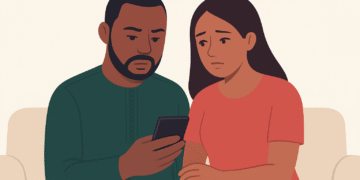
The problem begins when disagreement becomes personal. When questioning a decision is treated as disloyalty, or when political competition turns comrades into enemies, democracy begins to suffer.
Why It Matters
Ordinary members should feel confident that they can express concerns without being insulted, ridiculed or labelled.
At the same time, leaders should be able to make decisions and explain them without facing personal abuse.
Respectful internal democracy creates trust. It encourages participation and allows better ideas to emerge.
A culture of fear, insults and personal hostility does the opposite. It pushes people away and creates unnecessary divisions.
The Bigger Picture
The NDC UK & Ireland Chapter brings together people with different experiences, professions, generations and perspectives.
That diversity should be one of our greatest strengths.
The future of the Chapter should not depend on everyone thinking alike. It should depend on our ability to manage differences through dialogue, clear rules and mutual respect.
We must learn to distinguish between disagreement and disloyalty.
A member who asks questions is not necessarily an enemy. A leader who is challenged should not automatically feel personally attacked.
Strong organisations are built when people can speak honestly and listen carefully.
What Can We Do?
1. Protect the right to disagree
Members should be able to raise genuine concerns and challenge decisions respectfully.
2. Challenge ideas, not people
We can disagree strongly without insulting, humiliating or personally attacking fellow comrades.
3. Respect rules and institutions
Where disagreements arise, clear procedures and proper dialogue should guide the process—not anger or personal influence.
Closing Thought
Democracy is not tested when everyone agrees; it is tested by how we treat one another when we do not.

Christian Aboagye
Social Worker | Mental Health Practitioner | Community Advocate | NDC Manchester Branch Executive Member
Published by Krisem.com