











By Christian Aboagye

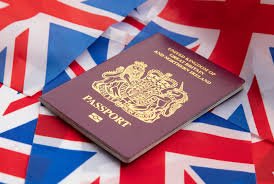
Every nation has moments when it must pause and ask itself who it truly is. Britain finds itself at such a moment. The country that once prided itself on quiet fairness and steady compassion is now rewriting the path to settled status in a way that will shape lives for a generation. These changes reach far beyond paperwork. They touch hopes and families. They touch identity itself.
As someone who works every day with vulnerable people, I see the weight of uncertainty. Decisions made in Westminster echo into hospital wards, community services, care homes and small living rooms where families hold on to faith and patience. This new policy forces a deeper reflection on what it means to belong in the United Kingdom.
What Is Changing and Why
The government frames the reforms in the language of fairness. They say the new settlement model rewards people who contribute to the economy, local communities and the wider fabric of British life. They also insist these changes are necessary to curb record levels of net migration.
Under the new earned settlement model, applicants for Indefinite Leave to Remain must meet tougher requirements:
• They must hold a clean criminal record.
• They must demonstrate stronger English language skills with many now needing B2 proficiency.
• They must show economic contribution which means working, paying National Insurance and avoiding benefit claims.
The list sounds neat and tidy. Reality rarely is.
The Waiting Game
This is where the numbers speak louder than any minister.
According to BBC reporting:
• Migrants who claimed benefits for more than a year may wait twenty years before applying for ILR.
• Those with claims under twelve months could wait fifteen years.
• Health and social care workers may face a baseline wait of fifteen years.
• People who arrived illegally or overstayed may face a thirty year wait before settlement.
The Home Office calls this the biggest overhaul of legal migration in fifty years. Anyone who works with migrant families knows thirty years is not merely a delay. It is the span of a life.
The Scale of the Impact
The impact is vast and immediate.
• Around one point six million migrants who arrived since 2021 may now fall under the new ten year baseline.
• The Migration Observatory warns that temporary visa holders will face far tougher paths as the qualifying period effectively doubles.
• Government figures show nearly two million lawful migrants may feel the effects of the change.
These are not faceless numbers. They are the nurses doing night shifts, the care workers supporting vulnerable people, the international graduates paying rent, taxes and tuition, the children walking into British classrooms with British dreams.
The Government’s Vision and the Trade Offs
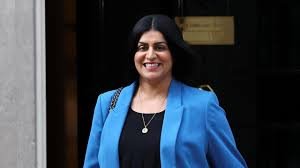
For ministers, the vision is one of fairness and responsibility. Home Secretary Shabana Mahmood said settling in Britain is not a right but a privilege that must be earned. The White Paper also allows for reduced waiting times for those who exceed contribution thresholds. In principle this is an invitation to integrate, work and take part in community life.
Yet every policy creates winners and losers. Critics warn that many migrants who arrived under old rules may feel betrayed. Longer settlement waits may deepen insecurity and anxiety. Higher language requirements may disadvantage families trying to rebuild their lives.
The country says it wants commitment. The risk is that it may instead cultivate fear.
A Nation in a Mirror
Immigration policy has never just been about numbers. It reflects the character of the nation. Britain is a country that values tradition, yet it has always leaned on newcomers for its progress. These changes may satisfy political pressure, but they also test the moral foundations that once made Britain a beacon for those seeking a fair chance in life.
Now, the United Kingdom must decide not only who it wishes to welcome but the kind of nation it wishes to become. The answer will shape the country far beyond the walls of Westminster.