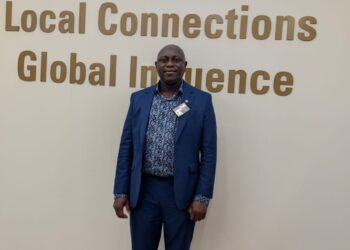












By Christian Aboagye, Social Worker, Mental Health Practitioner, Elected Governor for Greater Manchester Mental Health Services (Social Care Staff), and Youth Organiser for NDC Manchester Branch

Mental health is often treated as a secondary concern in Ghana, overshadowed by more visible sectors of health and development. Yet it is precisely the mental wellbeing of our people that underpins productivity, social cohesion, and sustainable progress. A nation that neglects the minds of its citizens cannot fully develop, no matter how much it invests in infrastructure or technology.
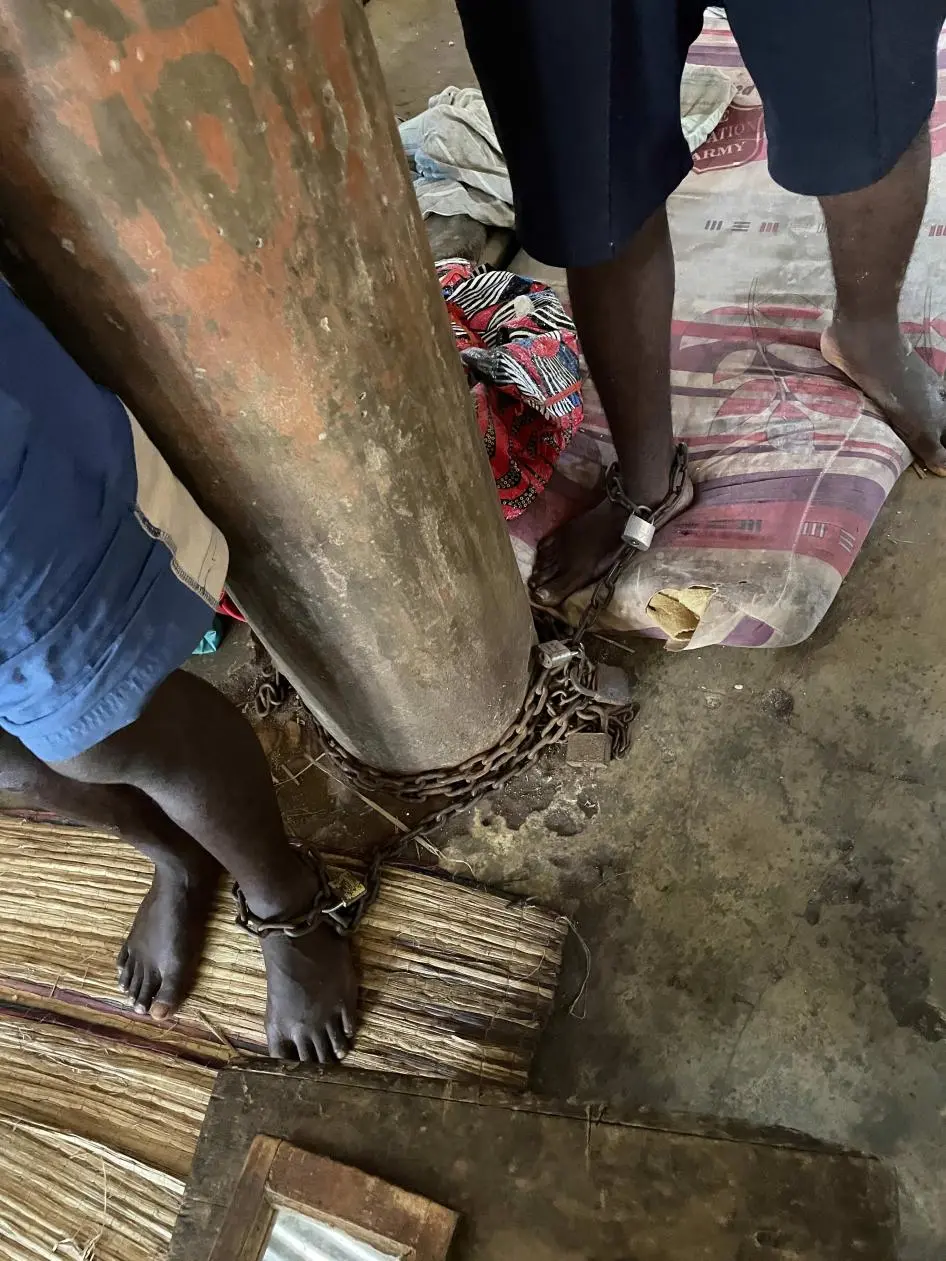
Across the world, mental health is increasingly recognised as a cornerstone of national development. Countries that invest in mental wellbeing see higher workforce efficiency, lower social care costs, and stronger community resilience. Ghana cannot afford to lag behind. Our current mental health system remains underfunded, understaffed, and poorly integrated into general healthcare services. This neglect has tangible consequences. Untreated mental illness affects families, reduces economic productivity, and places additional strain on social support systems.
The challenges are complex but not insurmountable. Ghana has talented health professionals, committed community workers, and a growing awareness among the public about mental health issues. What is required is deliberate action: increased funding, comprehensive policy implementation, expansion of trained mental health professionals, and integration of mental health into primary care.
As someone working at the frontline of mental health services in the United Kingdom and a governor overseeing social care staff, I have witnessed first-hand the transformative impact of structured mental health policies. Prevention, early intervention, and community-based support systems are not luxuries; they are essential investments in the future of any nation. Ghana has the human capital to make this vision a reality.
Political leadership must rise to the occasion. Mental health should not be treated as a fringe concern or a postscript in policy discussions. It deserves visibility, prioritisation, and resources proportional to its impact on society. For true national development, mental wellbeing must be central to health, social, and economic planning.
The message is clear: investing in mental health is investing in Ghana itself. Citizens who are supported in mind and body are citizens who can innovate, contribute, and participate fully in society. The government, civil society, and the private sector must collaborate to create a system that is accessible, effective, and sustainable.
Ghana’s progress cannot be measured solely by roads, buildings, or economic growth. It must also be measured by the resilience, wellbeing, and mental strength of its people. Prioritising mental health is not a choice; it is a necessity for a prosperous and sustainable future.