











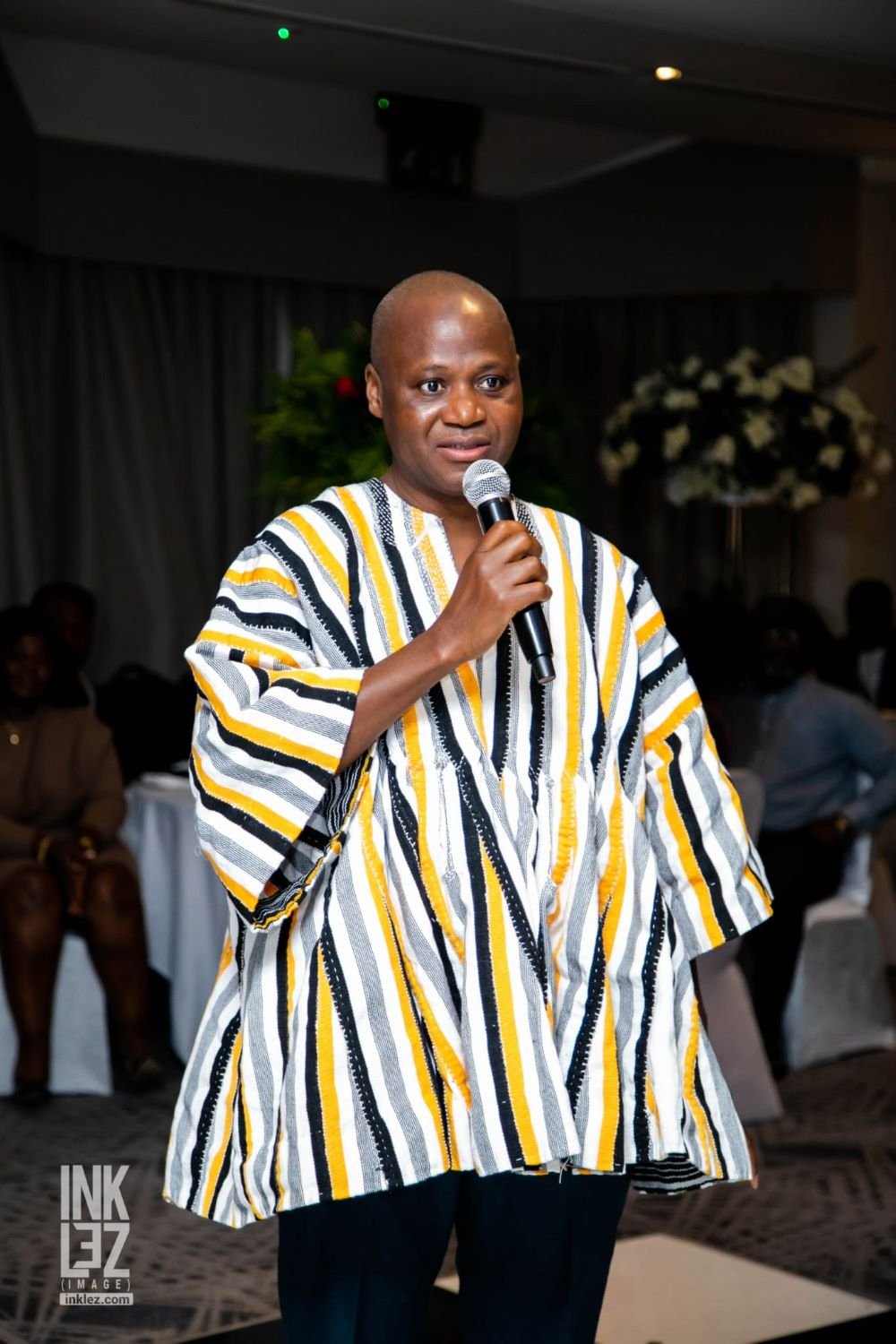
On Friday, 12 December 2025, I attended the *National Men’s Conference on Positive Masculinity*, organised by the Ministry of Gender, Children and Social Protection (MoGCSP) at the Alisa Hotel, Accra. One conference theme that particularly captured my interest was “*Engaging with Traditional Leaders on Ending Child Marriage in Ghana*.”

Section 14 of the Children’s Act, 1998 (Act 560) makes it unlawful to:
• force a child to be betrothed;
• subject a child to a dowry transaction; and
• force a child into marriage.
Furthermore, the Criminal Offences Act, 1960 (Act 29) explicitly criminalises child marriage.
Despite these legal safeguards, child and forced marriage continue to persist in Ghana. The decision by MoGCSP to collaborate with traditional rulers to address this issue is therefore both timely and appropriate. However, this effort could be further strengthened by broadening the range of stakeholders involved and by establishing a legal framework to support their collective interventions.
Ghana’s child protection system should place greater emphasis on prevention rather than punishment. Concentrating solely on penalising perpetrators after harm has occurred is inadequate. Allowing a child to be forced into marriage before intervention can be profoundly traumatic and may lead to long-term emotional and psychological consequences. Preventing child marriage before it occurs must therefore remain our highest priority.
In this context, drawing lessons from the United Kingdom’s experience could prove valuable.
Forced Marriage Protection Orders (FMPOs) in the UK
In the UK, the law empowers the Family Court in England and Wales to issue a Forced Marriage Protection Order (FMPO) to safeguard individuals who are at risk of being forced into marriage, or who have already been subjected to one. An FMPO is a civil protective measure designed to prevent further harm and shield individuals from coercion or undue pressure into marriage.
What can FMPO Can Do
An FMPO may impose legally binding conditions tailored to an individual’s circumstances, including:
• prohibiting others from arranging or compelling the marriage;
• requiring the surrender of passports or other travel documents;
• restricting contact or travel arrangements; and
• preventing a person from being taken abroad against their will.
These measures are applied on a case-by-case basis to ensure that those at risk receive effective and proportionate protection.
Who Can Apply for an FMPO
Applications for an FMPO may be made by:
• the individual requiring protection, including a child at risk of forced marriage;
• a relevant third party appointed by the court; or
• other persons with the court’s permission, such as social workers, teachers, or concerned members of the public.
Relevance to Ghana
In the Ghanaian context, the introduction of Forced or Child Marriage Protection Orders could empower traditional rulers, social workers, police officers, assembly members and other key stakeholders to apply to the courts for protective orders. These orders could be used both to prevent child marriages before they take place and to intervene in cases where children have already been forced into marriage.
Adopting a comparable preventive legal mechanism would significantly strengthen Ghana’s efforts to eradicate forced and child marriage and enhance the protection of children’s rights nationwide.
Mr Alhassan Mbalba (Chief Executive Officer; Cross-Border Social Development Consulting Ltd)