












By Christian Aboagye, Social Worker and Mental Health Practitioner, NHS UK

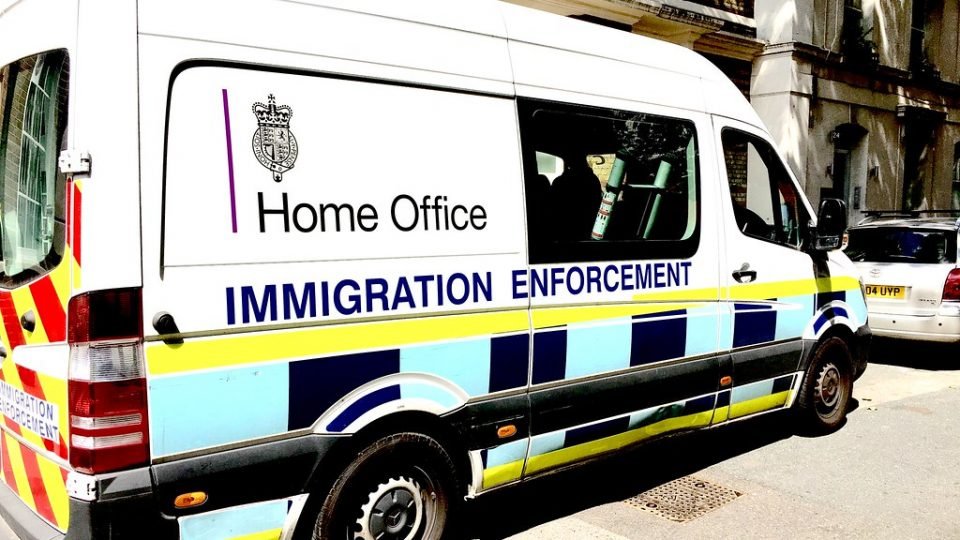
The UK has launched a direct campaign warning international students not to overstay their visas. Through text and email, the Home Office has contacted thousands of students and their families, reminding them that those without a legal right to remain will be required to leave. The message is sharp and uncompromising: if you stay illegally, you will be removed.
On the surface, this campaign is a straightforward immigration policy. It responds to an increase in students applying for asylum once their visas expire, some of which are legitimate but others viewed as an attempt to extend a stay. According to government data, in the year to June 2025, 41,100 asylum applications came from people who originally entered on visas, with students forming the largest group. Sixteen thousand asylum claims were made by students last year, almost six times more than in 2020. Though there has since been a ten percent drop, ministers want the figures to fall further.
The Home Office insists the new approach is necessary. Officials argue that without such measures, the asylum system risks being overwhelmed. From their perspective, this is about fairness and control, ensuring that immigration rules are respected. Yet beyond the numbers and political soundbites, there are deeper questions about the human impact of these decisions.
For many international students, the UK is not simply a place to study; it is a place of opportunity, safety, and possibility. The warnings now being sent out carry a heavy psychological weight. Students may begin to feel that their welcome is conditional, that their contribution is overlooked, and that their presence is valued only within strict timelines. For dependants — spouses and children — the uncertainty is even more profound. A child who has started school or a partner who has integrated into a community suddenly faces the anxiety of forced departure.
As a social worker and mental health practitioner, I cannot ignore the potential strain this brings. Fear of deportation can contribute to stress, depression, and a sense of isolation among students who once felt part of the UK’s academic family. Families may struggle with disrupted routines and the constant fear that their future is uncertain. These are not abstract statistics; these are lived experiences that ripple through human lives.
There is also a wider international dimension. The UK has long been recognised as a world leader in higher education. Universities here attract some of the brightest and most ambitious minds globally. Yet this new campaign risks sending a mixed message: study here, but do not dream too much beyond your visa. While it is legitimate for any country to manage its borders, the tone of enforcement matters. To some observers abroad, the UK’s approach may appear increasingly unwelcoming, reinforcing a perception that migrants, even legal ones, are being pushed away.
This is a delicate balancing act. The government seeks to protect the integrity of its immigration system, but in doing so, it risks undermining the very image of openness and global partnership that has defined British higher education for decades. Foreign students are not just temporary visitors; they are future leaders, innovators, and ambassadors. They contribute to the economy, enrich communities, and strengthen cultural exchange. To treat them primarily as potential overstayers rather than valued partners could carry long-term consequences for how the UK is seen on the global stage.
As a professional who has dedicated my career to supporting vulnerable people, I see both sides clearly. The government has a duty to uphold the law and protect its systems. At the same time, the humanity of students and their families must not be lost in the language of enforcement. Policies should not only be strong but also compassionate, recognising the mental, emotional, and social realities at stake.
The UK stands at a crossroads. It can enforce its rules with care, maintaining its reputation as a nation that both values fairness and welcomes talent. Or it can lean too heavily on warnings and threats, risking the erosion of trust and goodwill among those who once saw Britain as a second home.
The choice is not just about visas. It is about values.