





By Mark Adjei-Kumi (Woodpecker)

A national conversation has resurfaced regarding the proposed renaming of Kotoka International Airport. Emotions are high, opinions are divided, and the political undertones are unmistakable. Yet beyond sentiment and symbolism lies a more pressing question: at this critical juncture in Ghana’s democratic journey, is this truly where our collective energy should be directed?
The debate comes at a time when the National Democratic Congress (NDC) enjoys substantial public confidence and a commanding presence in Parliament. Such a mandate is not merely a victory; it is a responsibility. It demands discipline, clarity of purpose, and unwavering focus on policies that materially improve the lives of Ghanaians.
Renaming a national monument is not a trivial matter. It carries historical, emotional and political weight. But we must interrogate the strategic value of such a move. What measurable economic or global advantage would a name change deliver? Would it strengthen investor confidence? Improve infrastructure? Create employment? Or enhance Ghana’s competitiveness in an increasingly technology-driven world?
Some argue that renaming the airport would honour Kwame Nkrumah, Ghana’s founding President and a towering figure in Africa’s liberation struggle. His legacy is undisputed. Yet one must ask: would the Osagyefo be more gratified by symbolic gestures, or by a Ghana that is technologically advanced, industrially productive, and economically self-sufficient? History suggests the latter. Nkrumah’s vision was rooted in bold structural transformation, not cosmetic alteration.
At the same time, criticism of Lieutenant General Emmanuel Kwasi Kotoka as merely a coup-maker invites its own historical paradox. Ghana’s political history is layered and complex. The late Jerry John Rawlings, widely regarded as the founder of the NDC tradition, led the overthrow of two regimes before transitioning the country to constitutional rule. If we reduce historical figures to single acts without contextual reflection, we risk undermining our own political lineage and democratic maturity.
More importantly, Ghana faces urgent and tangible challenges. Across the country, families struggle to pay hospital bills. Affordable housing remains scarce. Youth unemployment persists. Water bodies continue to suffer degradation from illegal mining activities. Cocoa farmers; pillars of our agricultural economy lament delayed payments and unstable pricing structures. Meanwhile, arbitrary transport fare increases strain already stretched household incomes.
These are not abstract debates; they are lived realities.
The government’s proposed initiatives, including a 24-hour economy, expanded social housing, and youth employment interventions such as Edwuma Wura, speak directly to these hardships. These policies have the potential to reshape livelihoods and restore economic dignity. They are concrete. They are strategic. And they align with a forward-looking national reset.
History warns against the politics of equalisation tit for tat where symbolic reversals become substitutes for structural progress. President Rawlings often cautioned against imitating the excesses of political opponents. Leadership, he argued, requires focus and moral clarity. A large parliamentary majority may carry the vote, but it does not automatically carry wisdom. Democratic strength lies not in numerical dominance, but in principled governance.
Renaming national infrastructure is not inherently wrong. Nations periodically reassess their symbols. However, such decisions must be weighed against opportunity cost and national priority. In a time of economic strain and social pressure, symbolism must not eclipse substance.
Ghana’s democratic experiment has endured through turbulence and transformation. What it requires now is steadiness. A steady commitment to economic revitalisation. A steady hand on social justice. A steady focus on the everyday struggles of ordinary citizens.
The true honour to our founding leaders; whether Nkrumah, Rawlings, or others will not be etched in signage at an airport terminal. It will be written in the quality of healthcare, the availability of housing, the dignity of work, and the protection of our natural resources.
Let us stay focused. Let us choose progress over provocation.
Long live Ghana. Long live our democracy.
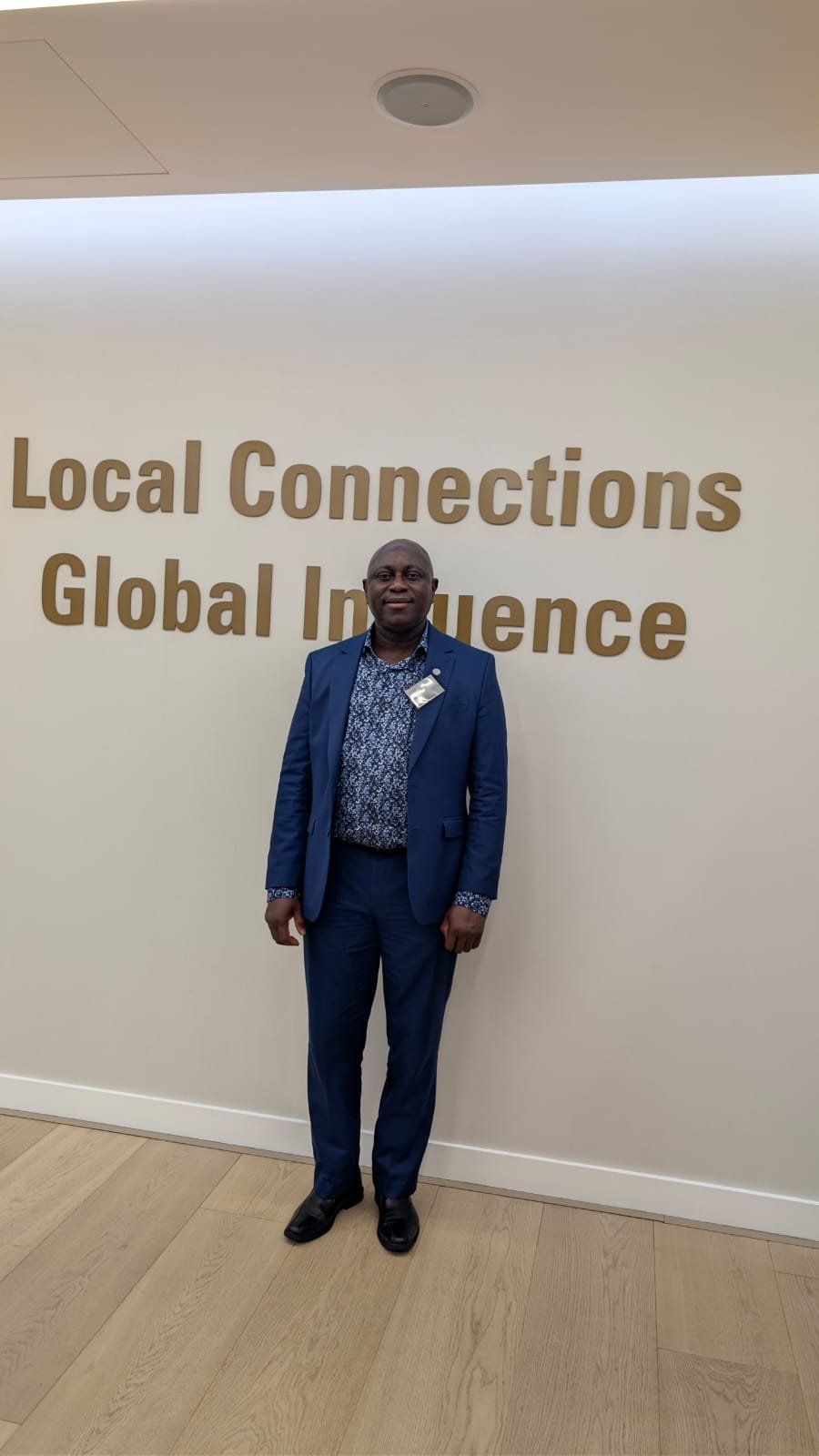
Mark Adjei-Kumi (Woodpecker)